Skip to content
Your internet, alive.Independent. Curious. Early access. ↗

FAMILIAR WORDS. ORIGINAL CONTEXT.

Who said it?

The quote you remember. The story—and the source—behind it.

10 stories

Who said “All men are created equal”?

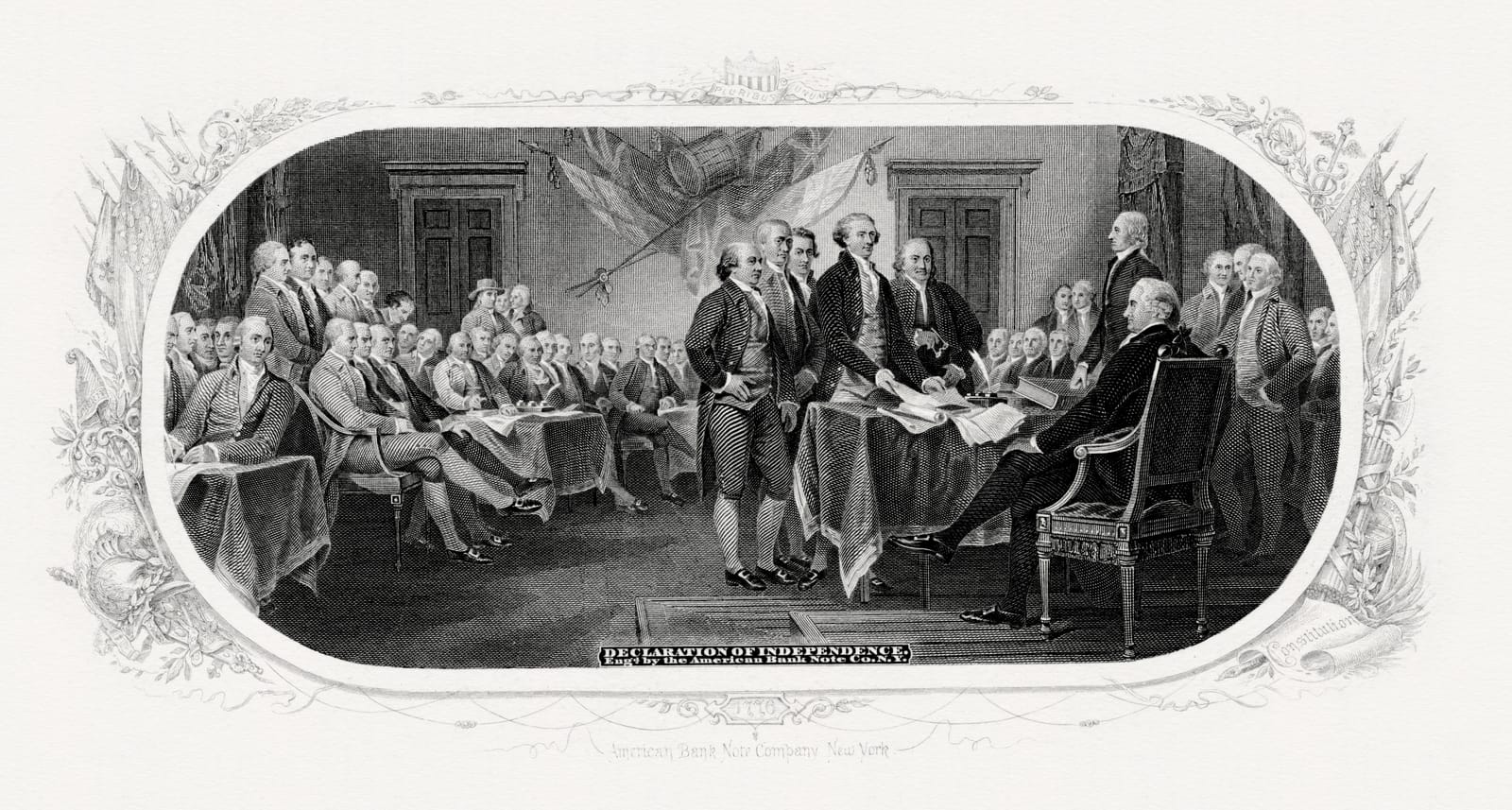
“All men are created equal” appears in the Declaration of Independence, adopted on July 4, 1776. Thomas Jefferson was its principal drafter; Congress adopted a revised text. The document is the most precise attribution.

Follow the source
Who said “Let them eat cake”?

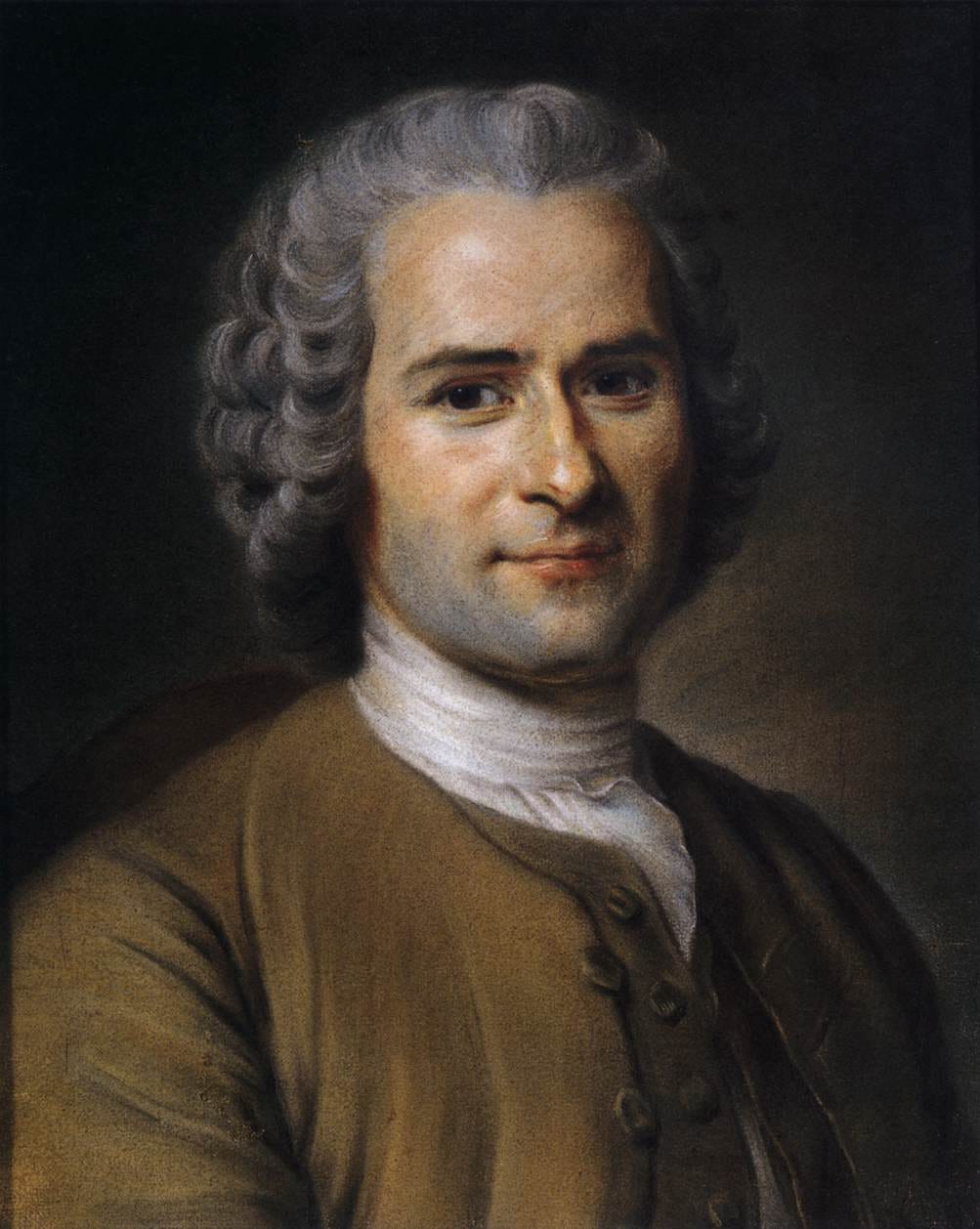
“Let them eat cake” is famously attributed to Marie Antoinette, but that attribution is not established. A related anecdote appears in Jean-Jacques Rousseau’s Confessions, where the speaker is an unnamed princess—not an identified Marie Antoinette.

Follow the source

Who said “I have a dream”?

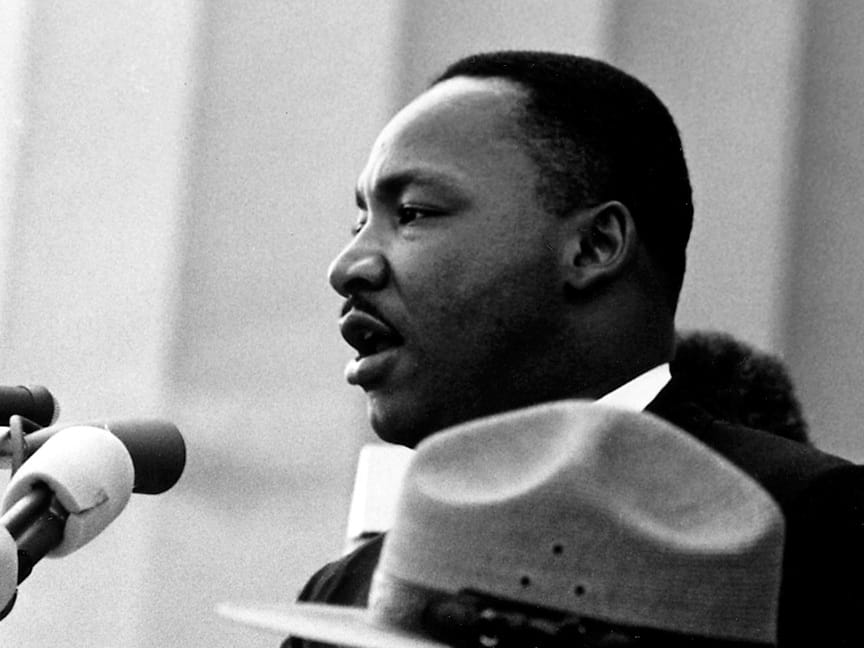
Martin Luther King Jr. delivered the famous “I Have a Dream” speech at the March on Washington for Jobs and Freedom on August 28, 1963. The speech’s vision of equality drew on themes and language he had developed in earlier addresses.

Follow the source

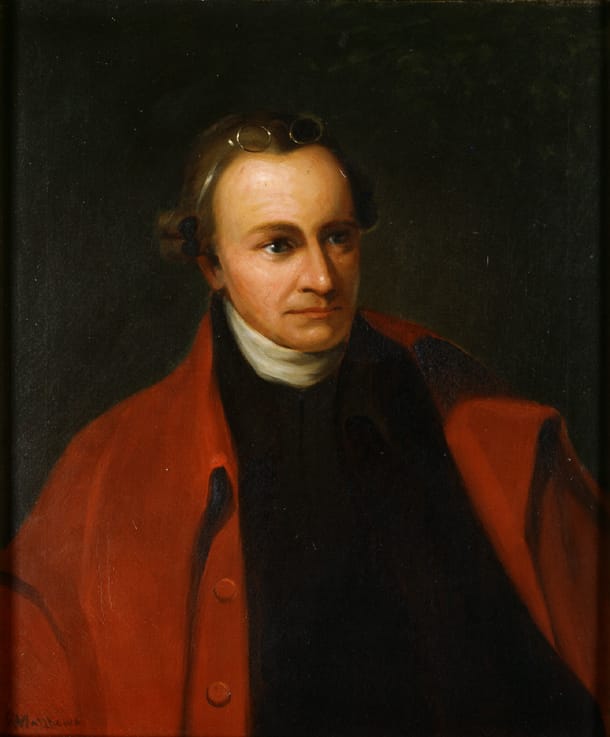
Who said “Give me liberty or give me death”?

Patrick Henry is credited with “Give me liberty or give me death” from his March 23, 1775 speech to Virginia’s convention in Richmond. The familiar text comes through a later reconstruction by his biographer William Wirt, not a surviving verbatim transcript made that day.

Follow the source

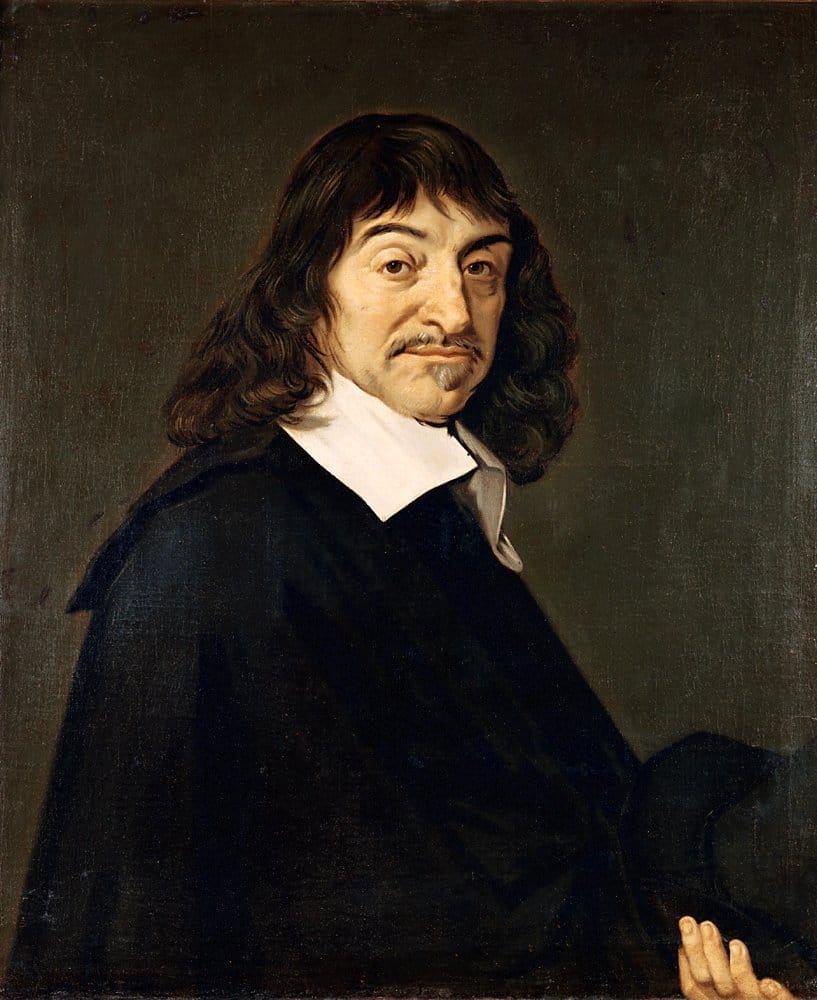
Who said “I think therefore I am”?

René Descartes wrote the argument known as “I think, therefore I am.” It appears in part IV of his Discourse on the Method (1637). The point is that doubting everything still involves a thinker whose existence cannot be dismissed in that very act.

Follow the source

Who said “Knowledge is power”?

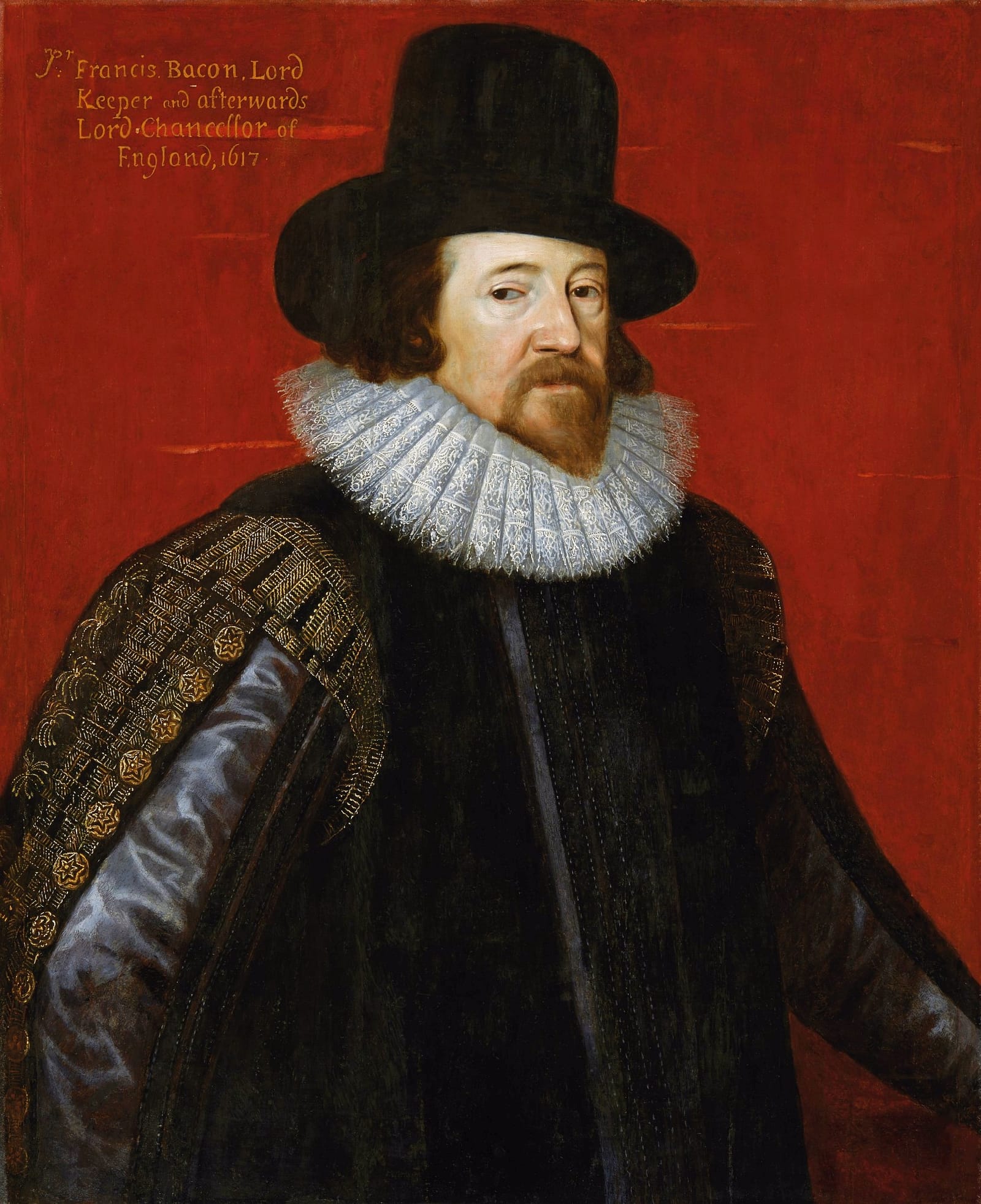
“Knowledge is power” is conventionally attributed to Francis Bacon, with a source in his Latin Meditationes Sacrae (1597). Thomas Jefferson also used the phrase in his letters, but that later use does not establish him as its originator.

Follow the source

Who said “To be or not to be”?

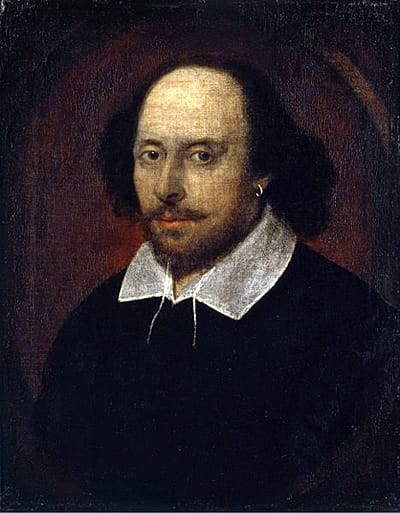
William Shakespeare wrote “To be or not to be”; Prince Hamlet speaks it in Hamlet, act 3, scene 1. Shakespeare is the author, Hamlet is the character, and the line opens a speech weighing suffering, death and uncertainty about what follows.

Follow the source

Who said “Honesty is the best policy”?

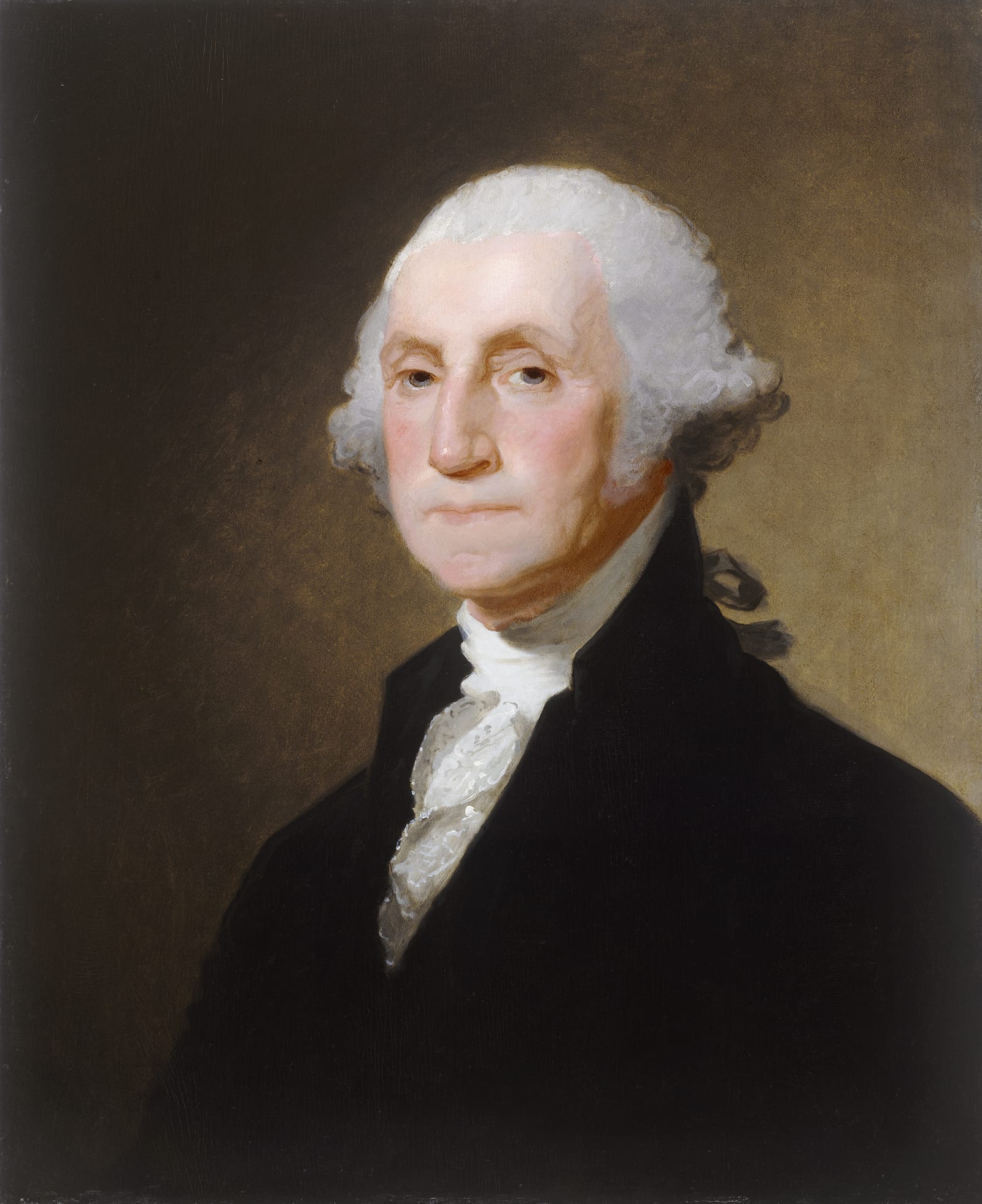
“Honesty is the best policy” is an older proverb, not a securely established invention of Benjamin Franklin. Phrase Finder traces a version to Sir Edwin Sandys in 1599; George Washington used “honesty is always the best policy” in his 1796 Farewell Address.

Follow the source