“Honesty is the best policy” is an older proverb, not a securely established invention of Benjamin Franklin. Phrase Finder traces a version to Sir Edwin Sandys in 1599; George Washington used “honesty is always the best policy” in his 1796 Farewell Address.
An old proverb, not a single-name answer
If you want the origin, Sir Edwin Sandys is an important early lead. Phrase Finder’s attribution research points to his Europae Speculum, dated 1599, with the older spelling “honestie the best policie.” That is evidence of an early written form, as reported by that reference; it is not proof that Sandys was the first person ever to express the idea.
This distinction changes how you should credit the saying. A familiar name attached to a proverb can tell you who repeated it without telling you who created it. We have not inspected the early Sandys edition for this article, so we are keeping that limit visible rather than turning a reference-book attribution into a claim of firsthand verification.
What Washington actually wrote
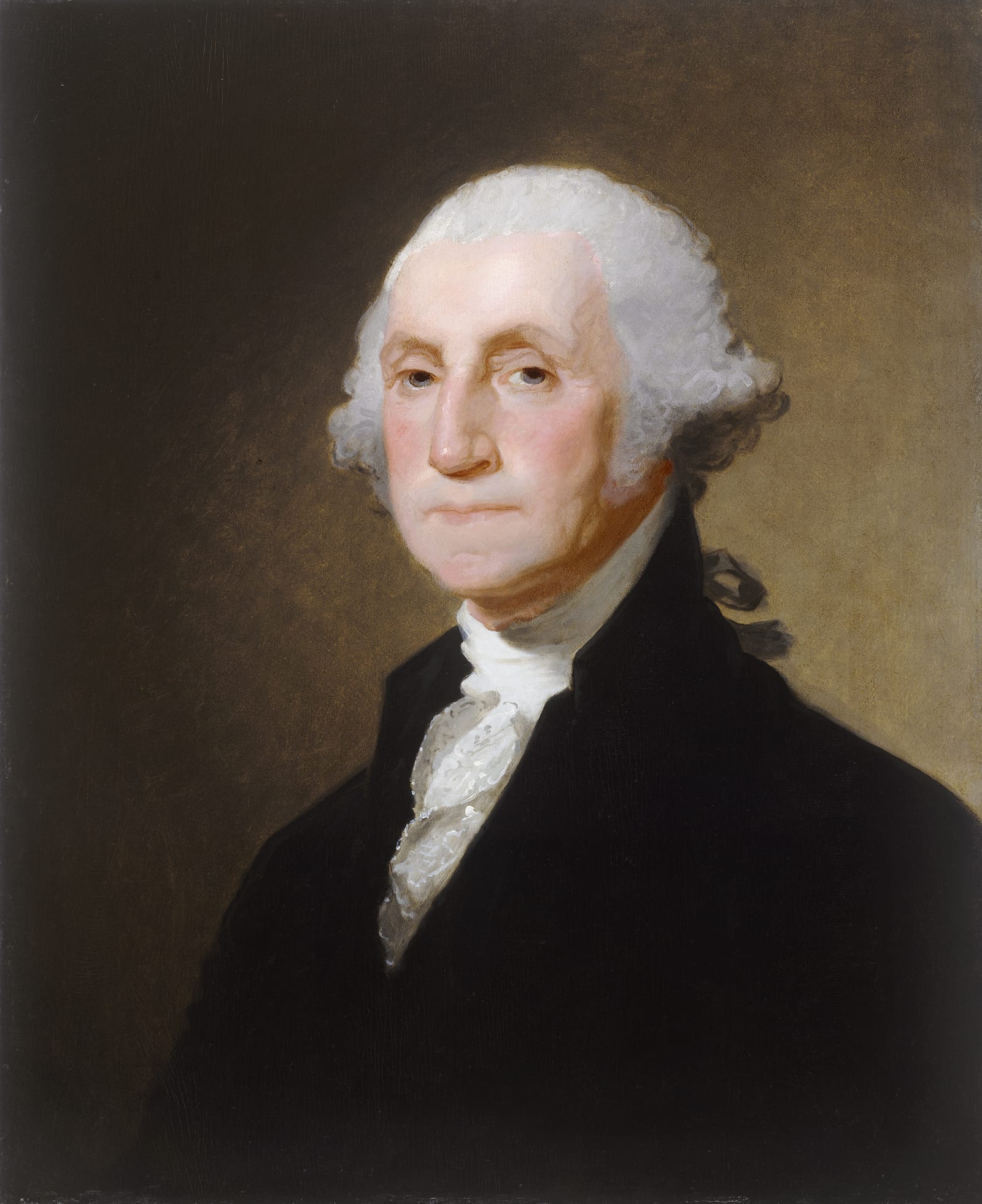
There is a directly checkable later example in Washington’s 1796 Farewell Address. Discussing foreign commitments, he applied the maxim to public as well as private affairs:
honesty is always the best policy
George Washington, Farewell Address, 1796
The surrounding passage matters. Washington was arguing against extending permanent alliances while insisting that existing commitments be honored. He was not offering permission to break agreements merely because a new policy seemed more convenient. Read in place, the phrase connects trustworthiness with a nation’s conduct.
What the proverb means
In everyday use, the advice is that telling the truth is the wiser course. “Policy” gives it a practical edge: honesty is presented as a way to act, not merely a quality to admire. That does not establish that truthfulness produces an immediate reward in every situation. A proverb compresses a general lesson; it is not a guarantee about every outcome.
How to credit it without overstating the history
For the general saying, use “traditional proverb” and explain the early Sandys attribution if the history matters. For Washington’s version, cite his Farewell Address and retain “always.” Avoid writing “Franklin invented the phrase” unless you can produce evidence that deals with its earlier history.
A useful citation names the words, the document, and the date. A portrait and a famous surname alone cannot do that work.