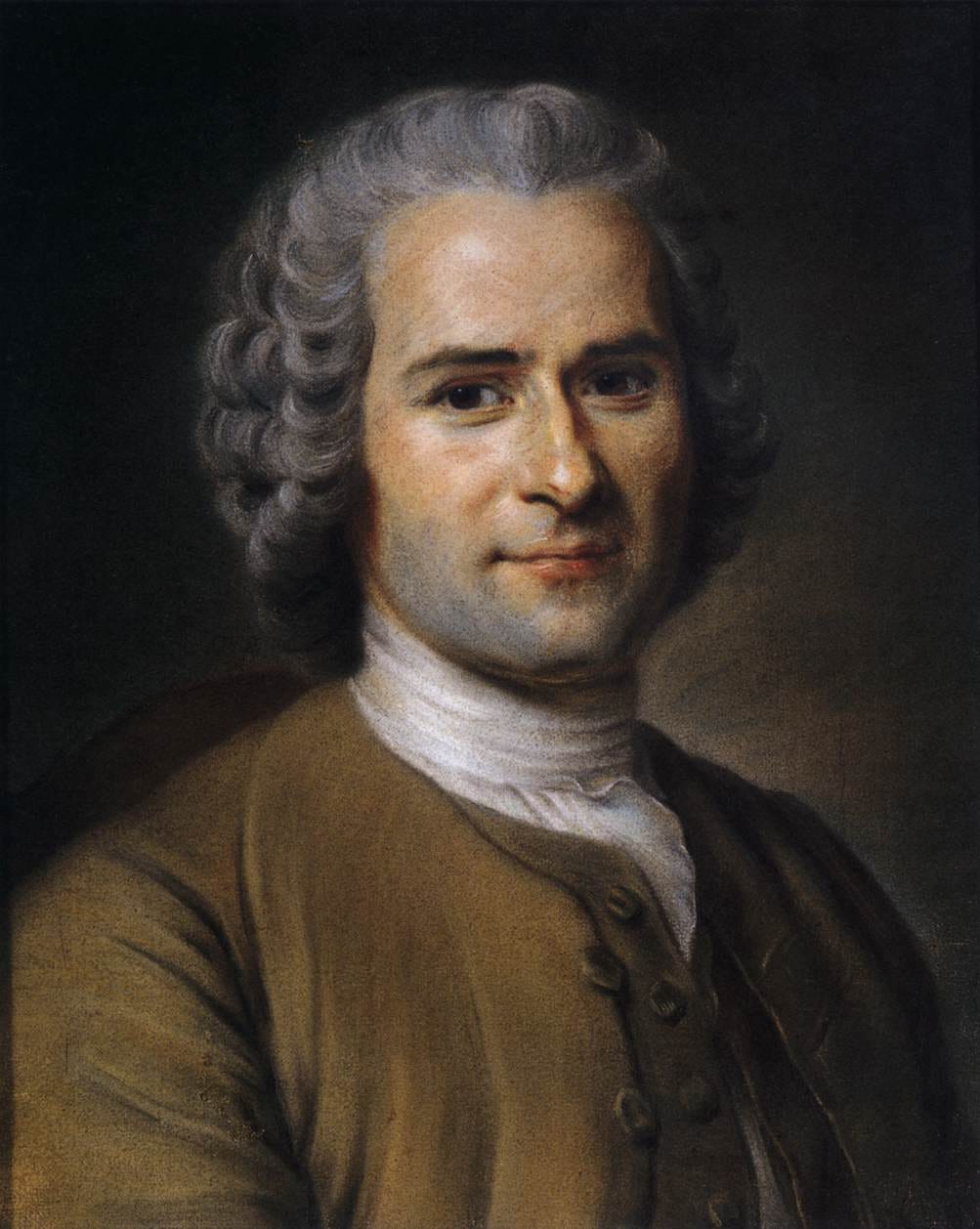
“Let them eat cake” is famously attributed to Marie Antoinette, but that attribution is not established. A related anecdote appears in Jean-Jacques Rousseau’s Confessions, where the speaker is an unnamed princess—not an identified Marie Antoinette.
The familiar attribution is not a settled fact
A cautious answer does not name Marie Antoinette as the proven speaker. HISTORY’s discussion of the attribution explains why the famous association is unreliable. The fact that a sentence fits a popular image of a historical person is not evidence that the person said it.
What Rousseau’s text actually supplies
In book VI of Confessions, Jean-Jacques Rousseau recalls a saying assigned to a great princess. Told that country people had no bread, she proposes another food. The English edition linked here renders the response as “Then let them eat pastry!”
The immediate passage is strikingly different from a recorded confrontation between a named queen and starving subjects. Rousseau is recounting an anecdote while describing his own thoughts about obtaining food. The princess is not identified in that passage.
That means Rousseau is a checkable writer of a version of the story. It does not mean he was the princess’s witness, that he invented the anecdote, or that the unnamed speaker can safely be replaced with a famous name.
Why translations complicate the search
Searching only the familiar word “cake” can make the source harder to find. In the linked English edition, “pastry” is the useful search term. When tracing a quotation across languages, try a short distinctive part of the surrounding scene as well as the wording you remember.
This is a small but practical research lesson: a failed exact-text search is not automatically proof that a passage is absent. First check the edition and translation. Conversely, a loosely similar passage is not proof of the exact attribution on a social post.
What to write under the quotation
If you need to discuss the phrase, identify it as commonly but unreliably attributed to Marie Antoinette, and point to the unnamed-princess anecdote in Rousseau. Do not replace one unsupported certainty with another by declaring a different royal woman the definite speaker without evidence.
The responsible answer leaves a name unresolved where the source does. That makes the story more interesting: it shows how a memorable sentence can attach itself to a person even when the text readers can inspect does not make that connection.