“Knowledge is power” is conventionally attributed to Francis Bacon, with a source in his Latin Meditationes Sacrae (1597). Thomas Jefferson also used the phrase in his letters, but that later use does not establish him as its originator.
Why the usual answer is Francis Bacon
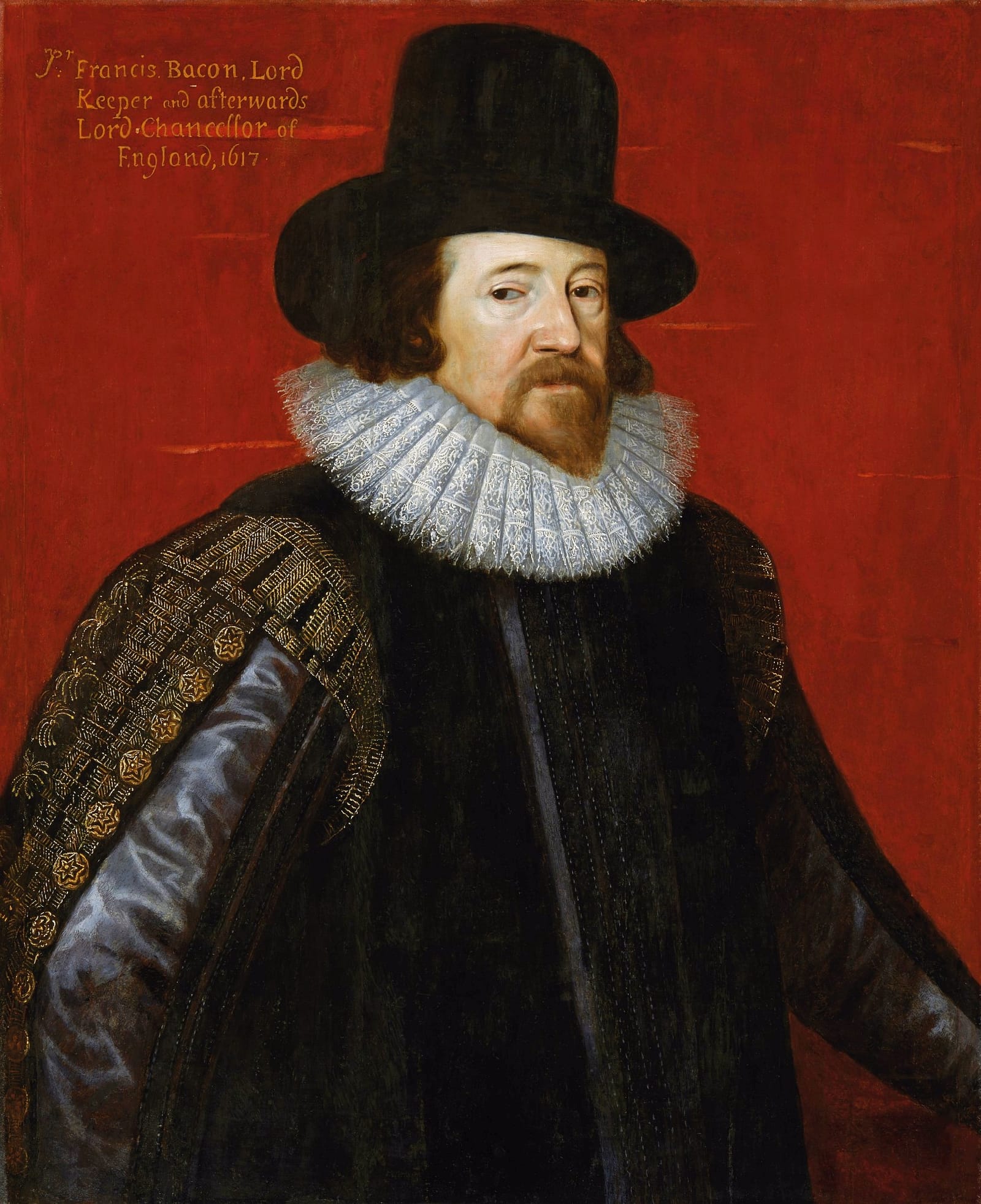
Monticello’s quotation research traces the familiar attribution to Francis Bacon’s Meditationes Sacrae of 1597. That gives the answer a work and a date, instead of leaving it as a name floating under a quotation.
There is an important qualification: the source is Latin. When you credit the familiar English saying to Bacon, you are giving an English rendering associated with that source, not presenting evidence that Bacon wrote those three English words there. Our source here is Monticello’s research note, which in turn cites a quotation reference; we have not independently collated the 1597 edition.
Why Jefferson’s name also appears
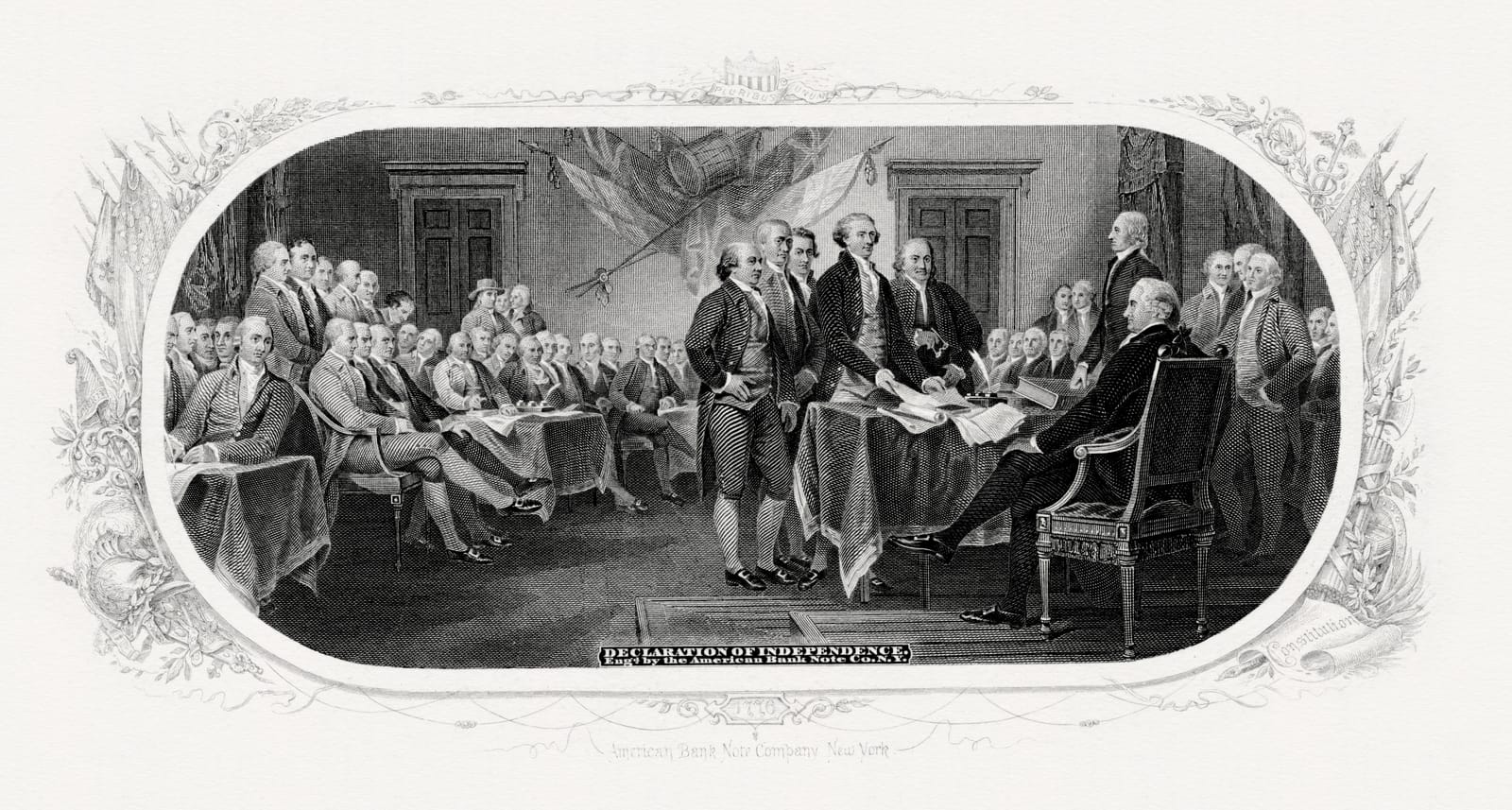
Jefferson really did use the expression. In an extract from his letter to George Ticknor dated 25 November 1817, he discusses plans for a state university in Virginia and connects knowledge with power, safety and happiness.
That context gives the phrase a concrete purpose. Jefferson is making a case for education and an institution that could provide it. The passage is not just a modern productivity slogan attached to his portrait. Monticello identifies additional uses in his correspondence concerning the university.
Using a phrase is different from inventing it
Consider two questions: “Did Jefferson use these words?” and “Did Jefferson originate them?” A dated letter can answer the first. It cannot, by itself, answer the second. To establish an origin, you would need to investigate earlier wording and the history of the expression.
The same caution applies to translation. Several English versions can represent an older thought without each being the historical author’s exact original wording. Keep the translator or edition when exact wording matters.
What does “power” mean here?
As a practical interpretation of the familiar saying, knowledge can give someone the ability to understand a problem, make a decision or act more effectively. It does not follow that possessing information automatically produces good judgment. Someone can know a fact and still misuse it, misunderstand its limits or fail to act.
That distinction is useful online: a confidently delivered answer is not necessarily knowledge. Following the evidence behind an answer matters more than counting the number of facts it appears to contain.
A careful attribution to use
For the general saying, write “commonly attributed to Francis Bacon, associated with Meditationes Sacrae (1597).” If you are discussing Jefferson’s words, identify his particular letter instead. The smaller, precise claim is more useful than an unsupported assertion about who was first.